
Encyclopedia
Petrified Wood Stone Overview

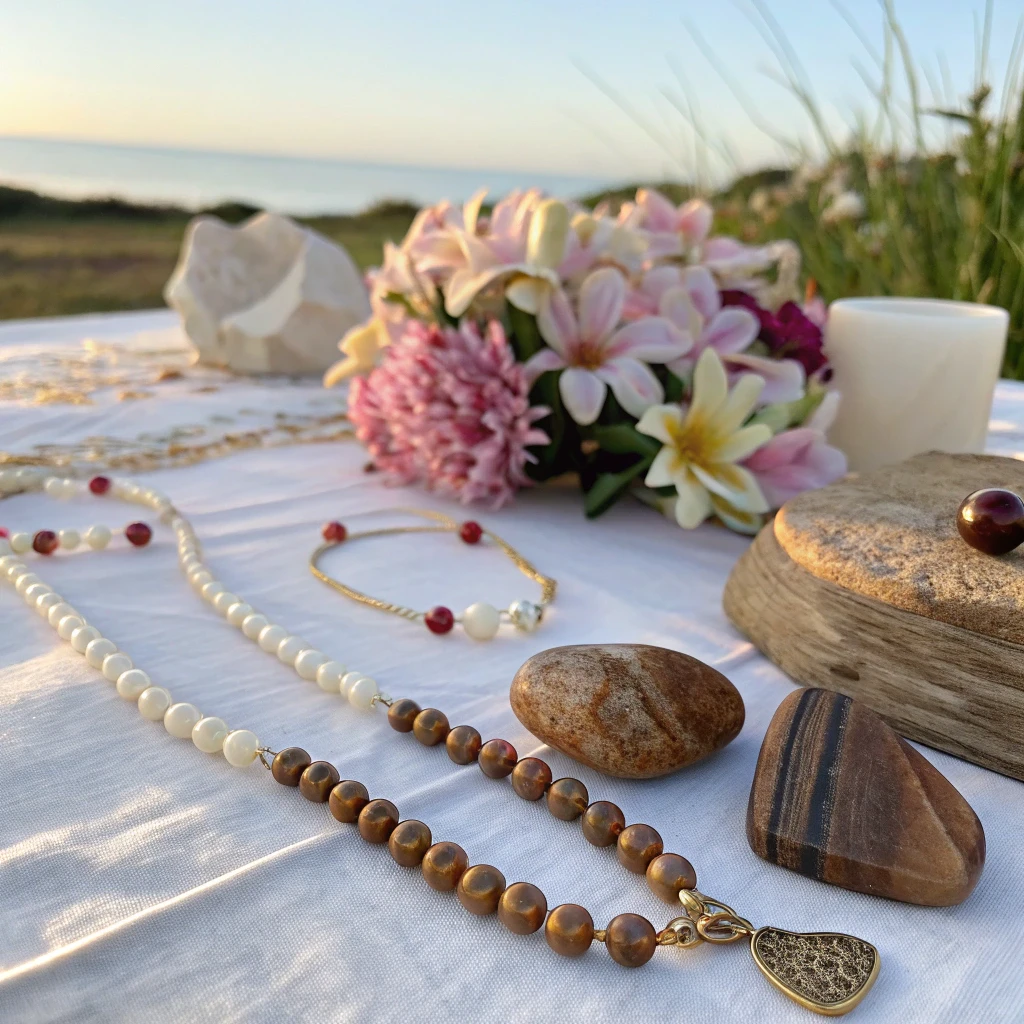
Petrified Wood Stone
Zodiac Signs
- Virgo
- Taurus

- Capricorn


Ruling Planet
- Saturn

Element
Associated Chakra
- Root Chakra (Muladhara)


Major Deposits
- United States (Arizona, Washington)
- Argentina (Patagonia)
- Madagascar
- Indonesia
- Brazil
Petrified Wood: Magical Properties and Who It Suits
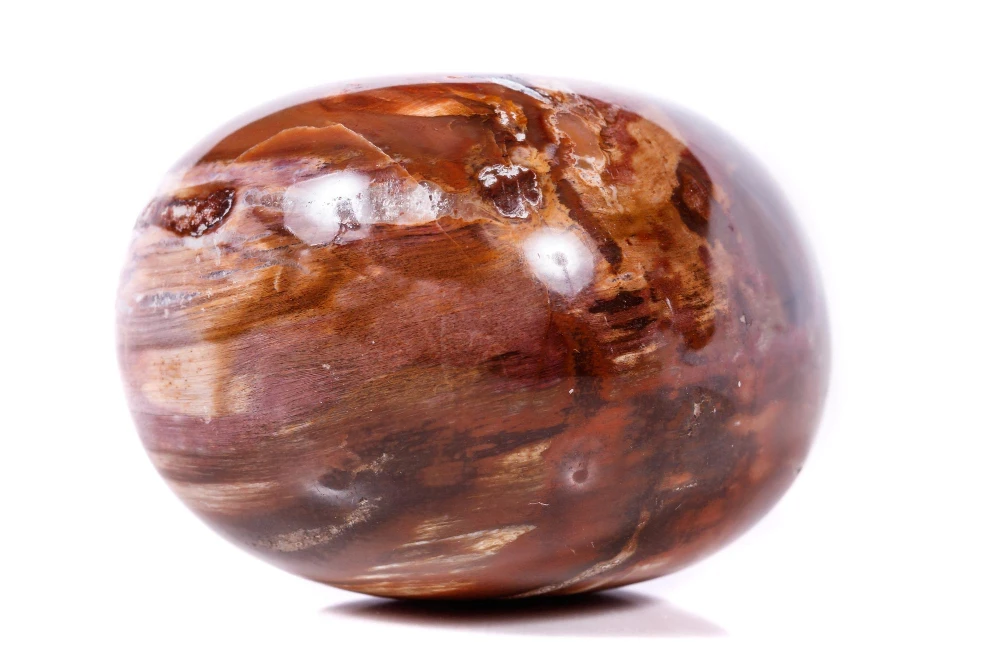
Petrified wood is considered one of the most widespread varieties of fossils on our planet. This remarkable stone is created by nature over thousands of years, using real trees as a mold and template. The coloring of each petrified wood specimen is unique, its magical and healing properties are extraordinary, and its universal beauty makes it the perfect complement to virtually any style.
What is Petrified Wood and How Does it Form?
When a fallen tree becomes submerged in wet sediments containing abundant dissolved minerals, and oxygen access to the plant stem (trunk) is restricted, its decomposition slows dramatically. Gradually, minerals replace the organic cell walls of the tree and fill the voids. The structure is preserved almost completely, and the fossil looks nearly identical to how the original plant appeared. This is how petrified wood, or dendrolite, is formed.
This process is called “petrification” or “fossilization.” The optimal environment for fossil formation is a saline solution. In natural conditions, this role is often played by mud formed from volcanic ash or fine-grained sediments in river deltas and floodplains.
Minerals begin replacing wood tissue almost immediately after the plant falls into sediments. However, the transformation into a fossil typically takes from five hundred thousand years or more. The oldest specimens are approximately 100-390 million years old, and scientists attribute their formation to various periods of geological history, going back to the Devonian period.
Petrified wood has been considered a powerful protective charm and amulet by peoples around the world since ancient times.
Physical and Chemical Properties
From a chemical standpoint, petrified wood contains no more than 10% of the original organic material. Ninety percent (or more) of dendrolite’s composition consists of silicon dioxide with various impurities that determine its color palette.
Petrified wood is an opaque, durable mineral of medium hardness (5.5-6 out of 10 on the Mohs scale), with a glassy or waxy luster, conchoidal fracture, and amorphous crystal system.
Colors and Varieties
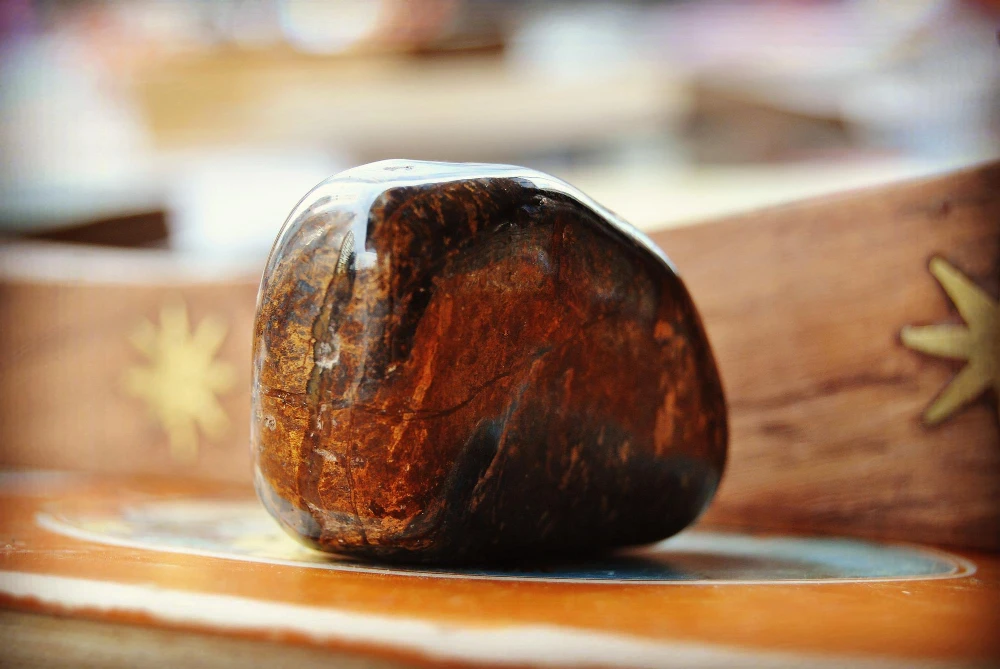
Depending on texture, several varieties of petrified wood are distinguished:
- Uniform — the stone is colored in a uniform shade (variations from white to coal black) without pronounced zoning, but with well-preserved original wood texture. White opal petrified wood is most sought after for decorative purposes.
- Spotted — the characteristic feature of coloring is a diversity of spots and inclusions of various colors and shades, creating a unique pattern. Spotted petrified wood typically contains iron hydroxides, opals, and chalcedonies. Considered the most common and aesthetically attractive variety.
- Jet-like — due to its saturated black color and distinct concentric pattern, it externally resembles black nephrite jade or jet stone.
- Lenticular — if large voids were present in the original material that filled with chalcedony or opal during petrification, beautiful linearly oriented stone “lenses” form in the fossil’s structure.
- Concentrically zoned — layers of chalcedony and opal repeat the concentric pattern of annual tree rings. Coloring can be extremely diverse and usually depends on the deposit location.
The predominant chemical impurities determine the color palette of petrified wood:
- Manganese oxide — yellow and/or black
- Iron oxide — yellow, brown, red
- Carbon — black
- Manganese — orange, pinkish
- Cobalt/Copper/Chromium — green, blue
Where Petrified Wood is Found
Petrified wood occurs in many parts of the world, typically in regions where dense forests once existed and volcanic processes or other geological events favored fossilization occurred. Here are some notable petrified wood deposits:
United States:
- Petrified Forest National Park, Arizona: One of the most famous and richest deposits of petrified wood in the world. Here you can find enormous quantities of petrified trees of various species, including araucarias and other ancient conifers.
- Ginkgo Petrified Forest State Park, Washington: Contains fossilized remains of an ancient forest, including petrified leaves of the ginkgo tree, which still grows in the world today.
- Various areas of California, Texas, Utah, Montana, North Dakota, and South Dakota: These states also have petrified wood deposits, though not as extensive as Arizona.
Argentina:
- Bosques Petrificados de Jaramillo National Park, Patagonia: A massive petrified forest where araucarias predominate.
Madagascar:
- The island of Madagascar is known for its unique fossils, including petrified wood.
Egypt:
- Cairo Petrified Forest: A small but interesting petrified forest located near Cairo.
Indonesia:
- In various regions of Indonesia, particularly on the islands of Java and Sumatra, petrified wood can be found.
Other Countries:
- Canada: In some areas of Alberta and British Columbia provinces
- Ukraine: In Donetsk region
- Australia: Various deposits, especially in Queensland
- Brazil: Multiple locations throughout the country
- Czech Republic: Near Nova Paka
- Belgium: Small finds
Important Notes:
- Preservation of deposits: Many petrified wood deposits are protected by law, and removing specimens without permission is prohibited.
- Commercial extraction: Petrified wood is also extracted commercially for decorative purposes and jewelry.
- Fossil hunting: If you plan to search for petrified wood independently, it’s important to familiarize yourself with local laws and regulations, and follow principles of responsible fossil collecting.
When visiting petrified wood deposits, it’s important to show respect for nature and avoid damaging the environment. Observing these ancient treasures is a unique opportunity to touch Earth’s history.
Applications and Uses
The beauty and durability of petrified wood make it a sought-after material in jewelry, design, and finishing. Dendrolites are used to create:
- Jewelry and amulets (bracelets, beads, pendants, earrings, brooches, icons, and much more)
- Souvenirs and decorative items (boxes, ashtrays, figurines, vases)
- Interior furnishings (countertops, sinks, cabinets, mantelpieces)
Petrified wood is also used as a finishing material in interior design and recreational areas, including parks.
The cost of petrified wood items depends on the dendrolite’s quality (including minerals contained in its composition), aesthetic qualities, size, texture, and processing complexity level.
Magical Properties of Petrified Wood
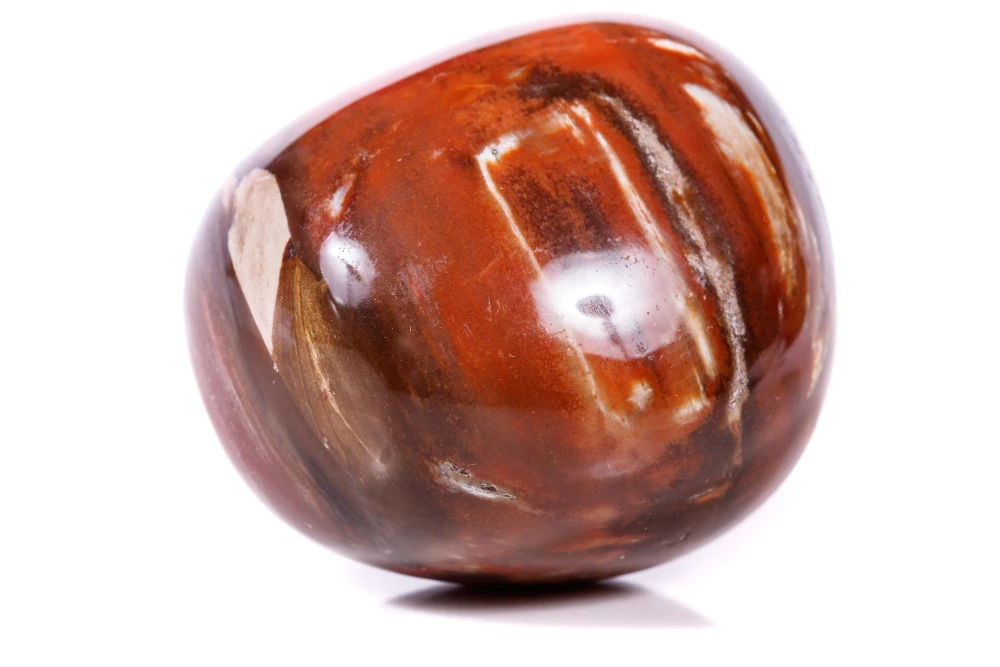
Petrified wood, also known as fossilized wood, is considered a carrier of powerful Earth and time energy. Its magical properties are multifaceted and valued in various esoteric practices. Here are some of them:
General Magical Properties:
- Connection to Earth and Ancestors: Petrified wood is deeply connected to Earth’s energy, providing grounding and stability. It’s believed to preserve memories of ancient times and can help establish connection with ancestors and the wisdom of past generations.
- Stability and Grounding: This stone helps achieve emotional stability, relieve stress and anxiety, and strengthen connection to reality. It promotes grounding and centering, especially during periods of change or uncertainty.
- Transformation and Growth: Petrified wood symbolizes transformation and growth, as it reflects the process of converting organic material into stone. It can help overcome obstacles, accept changes, and develop personal potential.
- Longevity and Wisdom: The stone is associated with longevity, wisdom, and patience. It helps appreciate time and learn from experience, and also promotes strengthening memory and concentration.
- Protection: Petrified wood is considered a protective stone that guards against negative energies and physical harm. It can be used to create an energetic barrier around your home or workplace.
Specific Magical Properties (depending on tree type and color):
- Oak: Strength, courage, protection, longevity
- Pine: Healing, purification, prosperity, fertility
- Palm: Growth, abundance, victory
- Redwood: Passion, vitality, energy
- Ebony: Protection, banishment, absorption of negativity
Use in Magical Practices:
- Meditation: Petrified wood helps deepen meditative states, promotes relaxation and mental clarity.
- Grounding rituals: Used to establish a strong connection with Earth’s energy and to ground excess energy.
- Working with the past: Used for healing past traumas and releasing negative patterns.
- Creating amulets and talismans: Wearing petrified wood as an amulet or talisman promotes protection, stability, and longevity.
How to Use Petrified Wood:
- Carry it with you: In your pocket, as jewelry, or simply hold it in your hand to feel its energy.
- Place it in your home: Position the stone where you need stability and protection, such as in the bedroom or office.
- Use it in meditation: Hold the stone in your hand or place it near you during meditation.
- Create an altar: Use petrified wood as an altar element dedicated to Earth, ancestors, or personal growth.
- Program it: Give the stone a specific intention to enhance its magical properties.
Important to remember: The magical properties of stones are subjective and depend on personal belief and experience. Treat petrified wood with respect and gratitude, and it will certainly share its wisdom and energy with you.
Before using any stone for magical purposes, it’s recommended to cleanse it energetically. Various methods can be used for this, such as smoke cleansing with herbs, rinsing under running water, or burying in earth for several hours.
Zodiac Sign Compatibility
Here is detailed information about petrified wood in the context of planetary, elemental, chakra, and zodiac correspondences.
Planet: Saturn
Saturn embodies stability, structure, patience, discipline, time, and karma. Petrified wood, representing a tree transformed into stone over millions of years, resonates with this energy of durability, endurance, and rootedness.
Element: Earth
This is an obvious connection, as petrified wood is literally an earth element. Earth symbolizes stability, grounding, nourishment, physical health, and practicality. Petrified wood helps us feel connected to nature and the surrounding world.
Chakra: Root Chakra (Muladhara)
The root chakra is responsible for our connection to earth, sense of security, stability, and survival. Petrified wood, through its connection to earth and ancient history, helps strengthen the root chakra, creating a sense of confidence and stability.
Zodiac: Capricorn and Taurus
- Capricorn: As an earth sign ruled by Saturn, Capricorns often value structure, discipline, traditions, and durability. Petrified wood resonates well with these qualities, helping Capricorns maintain patience, focus, and connection to earth.
- Taurus: Another earth sign, Taureans value stability, comfort, sensory pleasures, and connection to nature. Petrified wood can help Taureans stay grounded, appreciate nature’s beauty, and develop patience.
While Capricorn and Taurus may feel a stronger connection to petrified wood, anyone seeking stability, grounding, patience, and connection to nature can benefit from its energy.
Compatibility with Other Stones
The whimsical and unusual beauty of petrified wood makes it a completely independent adornment that doesn’t need additions in the form of other stones and minerals. To create an original accent in your style, an item made from dendrolite alone is sufficient.
If you want to combine several gemstones with petrified wood in one ensemble, it’s best to favor those minerals already contained in dendrolite’s composition. These are usually opals and chalcedonies.
Overall, dendrolite’s energy allows it to interact gently with virtually any crystals. Some caution should be exercised when combining petrified wood with Fire element gemstones—fire is destructive to wood, so combining them in one ensemble for extended periods is not recommended.
How to Identify Fakes
There are several signs that help distinguish genuine petrified wood from fakes. What to pay attention to:
- Dendrolite has medium hardness; it shouldn’t easily split or flake apart
- Petrified wood is characterized by saturated shades
- The concentric pattern of “annual rings” should be pronounced but without geometric precision (in natural conditions, annual rings never form a perfect circle created by lines of stable thickness; there are always slight shifts, irregularities, and other details)
- The specimen’s texture should have a distinctly “plant-like” character (annual rings, uneven “bark,” “knots” may be present, sometimes inclusions or even fossilized insects are found)
Like any mineral, petrified wood heats from human hand warmth more slowly than glass or plastic and weighs more than fakes made from these materials.
Wearing and Care
Petrified wood is a durable and undemanding mineral, so difficulties with care and cleaning typically don’t arise. Following these simple recommendations is sufficient:
- For cleaning from dirt, don’t use abrasive substances or acid-based compounds; it’s best to use a soft sponge moistened in soapy solution, then rinse the item under cool running water.
- Items can be stored together with other jewelry after wrapping in soft fabric, or place dendrolite in a separate pouch or box.
Petrified wood doesn’t need special “recharging,” as during hundreds of thousands or millions of years of formation, it accumulates significant energetic charge that doesn’t require additional feeding. Dendrolites also handle energetic negativity well, so periodic rinsing under cool running water is quite sufficient to cleanse the mineral not only from physical but also from magical contaminants.
Petrified wood is nature’s double “gift”—first creating a beautiful plant, then transforming it into an amazing mineral. Dendrolites absorb earth’s energies for millennia, so their magic is distinguished by its depth and harmonious, unobtrusive influence. An amulet made from petrified wood will fill its owner with the energy of epochs and protect from dangers, both visible and imperceptible to any human sense organ.