
Encyclopedia
Beryl: Magical Properties, Meaning of the Stone, and Who It Suits

1. Physical and Chemical Properties of Beryl
Beryl Meaning & Magical Properties.
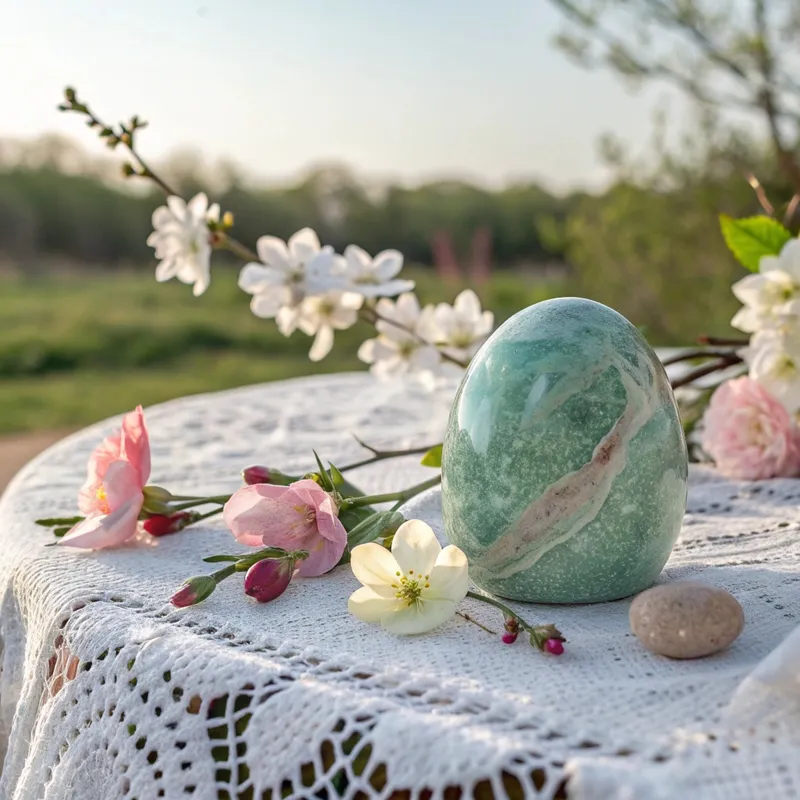
Beryl is one of the most fascinating minerals in the world of gemology, prized not only for its exceptional beauty but also for its profound symbolic and energetic characteristics. From a scientific standpoint, beryl is a beryllium aluminium cyclosilicate with the chemical formula Be₃Al₂(SiO₃)₆. Its crystalline structure belongs to the hexagonal syngony, forming elongated hexagonal prisms that have become iconic for this mineral group. These distinctive shapes give beryl its characteristic optical effects, brilliance, and clarity.
One of the most notable features of beryl is its wide range of colors, which results from the presence of trace elements in the crystal lattice. Pure beryl is colorless, known as goshenite, but variations occur due to chromophores such as iron, chromium, manganese, and vanadium.
These impurities create some of the most famous gemstones in the world—emerald (green), aquamarine (blue), morganite (pink), heliodor (yellow), and red beryl (scarlet). The mineral’s hardness on the Mohs scale is 7.5–8, which makes it very durable and suitable for jewelry. Its density ranges from 2.63 to 2.92 g/cm³, and the refractive index varies between 1.57 and 1.60, giving the stone a bright, sophisticated shimmer.
Beryl crystals are often transparent to translucent, with a vitreous luster that allows light to interact beautifully with their internal structure. Many specimens exhibit pleochroism, meaning they show different shades when viewed from different angles. This natural optical phenomenon makes cut beryl appear dynamic and alive, emphasizing its uniqueness and individuality.
From a geological standpoint, beryl forms in a variety of environments, most commonly within granite pegmatites, metamorphic rocks, and hydrothermal veins. Pegmatites are especially favorable because they allow the slow crystallization necessary for large, well-formed crystals. High-quality gem beryl often requires a delicate balance of heat, pressure, and the presence of specific trace elements during formation—conditions that rarely occur simultaneously, which is why some varieties (such as red beryl) are considered among the rarest gemstones on Earth.
Beryl’s remarkable stability, high hardness, and resistance to weathering also contribute to its longevity in nature. It often survives geological processes that destroy softer minerals, allowing gemologists and mineral collectors to find exceptionally preserved specimens even in ancient geological formations.
From a scientific perspective, beryl is not only aesthetically significant but also technologically relevant. Due to its beryllium content, certain beryl varieties have been historically used in industrial applications, such as in metallurgy and the production of special optical components. Although modern industry now synthesizes beryllium from other sources, natural beryl played a key role in the early development of aerospace, nuclear, and engineering technologies.
In summary, beryl’s physical and chemical properties combine beauty and strength, making it both a practical and spiritually meaningful mineral. Its diversity, durability, and optical elegance contribute to its status as a gemstone cherished across cultures and eras.
2. Mining and Extraction of Beryl
The mining of beryl is a complex geological and industrial process that requires precision, careful planning, and, in many cases, significant technological resources. Because beryl forms under specific geological conditions, it is typically found in environments that support the slow crystallization of minerals—primarily granite pegmatites, mica schists, and hydrothermal veins. These geological settings create the ideal balance of heat, pressure, and mineral-rich fluids necessary for large, gem-quality beryl crystals to develop.
Global Locations of Beryl Deposits
Beryl is mined across many regions of the world, but the quality, color, and rarity of the stone vary dramatically depending on the geographical source. Some of the most famous deposits include:
- Colombia — globally renowned for producing the world’s finest emeralds, characterized by deep green color and exceptional clarity. Colombian emeralds are found in sedimentary deposits rather than pegmatites, which makes them unique in the gem world.
- Brazil — one of the largest sources of aquamarine, morganite, heliodor, and goshenite. Brazilian pegmatites often yield enormous, exceptionally transparent crystals that are prized by both jewelers and collectors.
- Madagascar — known for its wide range of beryl varieties, including vibrant morganite and heliodor. The geological diversity of the island makes it a hotspot for gemstone mining.
- Pakistan and Afghanistan — these regions produce high-quality aquamarine and emeralds found in rugged mountainous environments, often requiring manual extraction due to extreme terrain.
- USA (Utah and New Mexico) — home to the extremely rare red beryl (bixbite). This variety is so scarce that it is estimated to be tens of thousands of times rarer than diamonds.
- Russia (Ural Mountains and Siberia) — historically significant deposits of emerald and other beryl varieties.
Each deposit has its own geological history, and the mineral’s unique characteristics often reflect the conditions under which it formed. For example, emeralds from Zambia tend to have a bluish-green tint due to the presence of iron, while Colombian emeralds derive their vivid hue from chromium and vanadium.
Mining Methods
The method of mining beryl depends largely on the geological environment in which it is found. The three primary techniques include:
1. Open-pit mining
Used when beryl occurs near the surface. Heavy equipment removes layers of soil and rock to expose pegmatite veins containing beryl crystals. This method is relatively efficient but requires extensive land excavation.
2. Underground mining
Applied to deeper deposits, especially in regions like Colombia, where emeralds form in sedimentary limestone caverns. Underground mining is labor-intensive and often dangerous, requiring specialized tunnels, supports, and ventilation systems.
3. Manual and artisanal mining
Common in mountainous regions such as Afghanistan or Pakistan. Due to difficult terrain, miners often extract beryl by hand using simple tools. While less efficient, this method can yield exceptionally preserved crystals because it minimizes mechanical damage.
Sorting and Processing
Once extracted, beryl undergoes several stages of sorting and evaluation:
- Initial inspection — separating gem-quality beryl from industrial-grade material.
- Cleaning — removing surrounding rock and impurities.
- Grading — based on color, clarity, size, and transparency.
- Cutting — faceting or shaping the gemstone to enhance brilliance.
- Heat treatment (optional) — used for some varieties (such as aquamarine) to intensify or stabilize color.
High-value stones, especially emeralds, are often treated with natural oils or resins to fill microscopic fissures, improving clarity. These enhancements must always be disclosed in the gemstone trade.
Environmental and Ethical Considerations
Modern gemstone mining raises questions about sustainability and fair labor practices. Responsible mining organizations promote:
- reduced environmental impact
- ethical labor conditions
- traceability and transparency
- fair compensation to local communities
Consumers increasingly seek gemstones with verified provenance, making ethical sourcing an important part of the modern beryl industry.
3. Colors and Varieties of Beryl
One of the most remarkable qualities of beryl is its extraordinary range of colors and varieties. This diversity makes beryl not just a single gemstone, but an entire family of precious stones, each with its own symbolism, energetic qualities, and market value. The color variations in beryl are caused by trace amounts of different chemical elements—chromium, vanadium, iron, and manganese—which enter the crystal lattice during its formation. These chemical “guest atoms” act as chromophores, producing some of the most iconic gemstones known to humans.
Below are the primary and most celebrated varieties of beryl:
1. Emerald (Green Beryl)
Emerald is the most famous and valuable variety of beryl, recognized by its rich green to bluish-green hues. The color is primarily caused by the presence of chromium or vanadium. Emeralds are known for their inclusions, called “jardin,” which are considered part of the stone’s natural identity.
Key characteristics:
- Highly prized in luxury jewelry.
- Historically associated with wisdom, fertility, and protection.
- Known for its rarity and premium market value.
2. Aquamarine (Blue Beryl)
Aquamarine displays delicate shades of blue or blue-green caused by iron (Fe²⁺) ions. Its name comes from the Latin “aqua marina,” meaning “sea water,” reflecting its serene ocean-like color.
Key characteristics:
- Typically very transparent with minimal inclusions.
- Associated with calmness, communication, and mental clarity.
- A popular gemstone for rings, pendants, and wedding jewelry.
3. Morganite (Pink Beryl)
Morganite ranges from pale pink to peach due to manganese impurities. It gained popularity in the 20th century and is named after the financier and gemstone collector J. P. Morgan.
Key characteristics:
- Symbolizes tenderness, emotional healing, and romantic harmony.
- Increasingly popular in engagement rings.
- Offers a luxurious alternative to traditional pink diamonds.
4. Heliodor (Yellow Beryl)
Heliodor, also known as golden beryl, exhibits bright yellow to golden hues due to iron (Fe³⁺). The name comes from the Greek words for “sun” and “gift,” emphasizing its radiant energy.
Key characteristics:
- Represents vitality, confidence, and mental strength.
- Often used in talismans for motivation and creativity.
5. Goshenite (Colorless Beryl)
Pure beryl without impurities is completely colorless and transparent. This variety is named after Goshen, Massachusetts, where it was first discovered.
Key characteristics:
- Historically used for lenses and optical instruments.
- Symbolizes purity, clarity, and honesty.
- Ideal for those who prefer minimalistic, elegant jewelry.
6. Red Beryl (Bixbite)
Red beryl is the rarest variety of the beryl group, displaying vibrant raspberry-red coloration caused by manganese. Found primarily in the Wah Wah Mountains of Utah, it is considered one of the rarest gemstones in the world—thousands of times rarer than diamonds.
Key characteristics:
- Due to its rarity, typically used in high-end collections rather than everyday jewelry.
- Symbolizes passion, strength, and life force energy.
7. Maxixe (Deep Blue Beryl)
Maxixe is a deep blue variety of beryl, discovered in Brazil. Its intense color is usually caused by irradiation, either natural or artificial.
Key characteristics:
- Color is often unstable and may fade when exposed to sunlight.
- Highly valued by collectors for its unique appearance.
8. Green Beryl (Non-Emerald)
Not all green beryl qualifies as emerald. When the color is too light or lacks chromium/vanadium as the cause, it falls under the category of “green beryl.”
Key characteristics:
- More affordable than emerald.
- Symbolically linked to growth, renewal, and harmony.
Optical Effects in Beryl
In addition to its color varieties, beryl may exhibit several optical phenomena:
- Pleochroism — different colors when viewed from different angles.
- Chatoyancy (“cat’s eye effect”) — rare, caused by fibrous inclusions.
- Asterism — extremely rare six-rayed star pattern.
These features enhance the stone’s visual appeal and make certain specimens highly collectible.
Why Beryl Has So Many Colors
The extraordinary variety is due to:
- The mineral’s stable crystal structure, allowing chromophore substitution.
- Geological conditions during formation.
- Natural radiation exposure in the earth.
This makes beryl a mineral of endless diversity, beauty, and metaphysical depth.

4. The Meaning of Beryl
Beryl is a gemstone deeply rooted in human history, spirituality, and symbolism. Across cultures and centuries, this mineral has been regarded as a stone of clarity, transformation, strength, and intuition. While each variety of beryl carries its own unique metaphysical qualities, the entire beryl family shares a unified energetic foundation that has made it one of the most respected and influential stones in the world of crystal healing and esoteric traditions.
Stone of Clarity and Focus
Beryl is traditionally seen as a stone of clarity — not only visual clarity, which it possesses in abundance, but mental and emotional clarity as well. It has long been believed to help individuals “see clearly,” both literally and symbolically. Historically, beryl was used to craft early optical lenses, including the very first pair of eyeglasses in medieval Europe. Because of this association, beryl symbolizes the unveiling of truth, deeper understanding, and improved perception.
On a metaphysical level, beryl is thought to cut through mental fog, helping its owner overcome confusion, indecision, and distraction. Many believe the stone encourages disciplined thinking, strengthening one’s ability to stay focused on long-term goals. This makes beryl a powerful talisman for students, professionals, entrepreneurs, and anyone striving to achieve clarity in complex or emotionally charged situations.
Symbol of Inner Strength and Adaptability
Beryl is also considered a stone of inner resilience. Its strong, stable crystal structure symbolizes perseverance and the capacity to withstand pressure — much like the environments in which it forms. Across different cultures, beryl has been associated with courage, determination, and the ability to overcome adversity.
Ancient warriors carried beryl as a protective charm, believing it granted fearlessness in battle. Later, sailors and travelers used aquamarine, a blue variety of beryl, as a safe-travel talisman. These traditions highlight the mineral’s longstanding connection to protection, stamina, and confidence.
Conduit of Emotional Healing
Emotionally, beryl is associated with cleansing and renewal. Many spiritual practitioners view the stone as a purifier of negative emotions, capable of dissolving stress, anxiety, and emotional fatigue. Its gentle yet powerful vibration encourages self-acceptance and emotional honesty.
Different colors of beryl emphasize different emotional qualities:
- Emerald is linked to compassion, forgiveness, and unconditional love.
- Morganite supports emotional healing, heart opening, and relationship harmony.
- Aquamarine soothes stress and encourages calm communication.
Together, these attributes give beryl a reputation as one of the most emotionally balanced and supportive gemstone families.
Tool for Spiritual Awakening
In spiritual traditions, beryl has long been considered a bridge between the physical and the divine. Its clear, radiant energy symbolizes enlightenment, expanded consciousness, and intuitive insight. Practitioners often describe beryl as a stone that “aligns the soul with the purpose,” assisting individuals in discovering and fulfilling their life path.
Many believe that beryl awakens the higher chakras — particularly the heart, throat, and crown chakras — enabling deeper self-awareness, intuitive sensitivity, and connection with spiritual guidance. It is frequently used in meditation to enhance clarity of thought, deepen introspection, and strengthen one’s energetic field.
Stone of Transformation
Beryl is often seen as a gemstone of transformation. Throughout history, it has been associated with rebirth, new beginnings, and the shedding of old emotional patterns. This symbolic meaning likely arises from its presence in metamorphic rocks and environments where dramatic geological changes take place.
As a transformational stone, beryl is believed to:
- inspire personal growth
- support major life changes
- help its owner adapt to new circumstances
- encourage letting go of limiting beliefs
Because of these properties, beryl is frequently chosen by people who are undergoing transitions — such as starting a new career, ending a relationship, moving to a new place, or entering a new life phase.
Cultural and Historical Meanings
Throughout history, beryl has held a distinguished place in mythology and folklore:
- In ancient Egypt, emeralds were seen as symbols of eternal youth and rebirth.
- In ancient Greece, beryl was believed to sharpen the mind and enhance prophecy.
- Medieval European manuscripts mention beryl as a stone of truth used in magical mirrors for scrying and divination.
- In various esoteric traditions, beryl is considered a stone of harmony and cosmic order.
These cultural associations contribute to its reputation as a gemstone that illuminates, protects, and elevates the human spirit.
5. The Magical Properties of Beryl
Beryl has long been regarded as a gemstone with profound mystical power. Throughout history, this mineral has been valued not only for its physical beauty but also for its strong energetic influence, spiritual significance, and protective qualities. In esoteric practices, beryl is considered a stone that unlocks inner wisdom, enhances intuition, and harmonizes emotional and spiritual energies.
Different varieties of beryl carry unique magical vibrations, yet the entire mineral family shares core attributes related to clarity, transformation, and protection. Below are the key magical properties attributed to beryl across cultures and metaphysical traditions.
1. Enhancing Intuition and Psychic Insight
Beryl is known as one of the most powerful stones for developing intuition. In many spiritual traditions, it is believed to open the higher chakras — particularly the third eye and crown chakras — facilitating access to intuitive knowledge, inner guidance, and spiritual truths. Ancient Greek oracles reportedly used beryl spheres for scrying, trusting its ability to reveal hidden messages and future events.
Practitioners use beryl today to:
- strengthen intuitive perception
- enhance clairvoyance and psychic sensitivity
- deepen meditation
- connect with spiritual guides
- interpret symbolic dreams
Blue and colorless varieties (aquamarine and goshenite) are especially valued for these mystical abilities due to their connection with clarity and spiritual vision.
2. Protection from Negative Energies
Across various magical systems, beryl is considered a potent protective stone. Its hexagonal crystalline structure is believed to create a stable energetic shield around the wearer, repelling negativity, harmful intentions, and emotional manipulation.
Traditionally, travelers, sailors, and warriors carried beryl as a talisman for:
- physical safety
- protection from accidents
- safeguarding against curses or evil spirits
- maintaining clarity during stressful or dangerous situations
Emerald, with its vibrant green energy, is especially associated with protection of the heart — both physically and emotionally.
3. Emotional Healing and Balance
Beryl’s soothing and cleansing energy makes it one of the most popular stones for emotional healing. It is believed to dissolve emotional blockages, calm inner turmoil, and encourage honest expression of feelings.
Magical practices attribute the following qualities to beryl:
- relieves stress and anxiety
- promotes emotional resilience
- encourages forgiveness and compassion
- heals old emotional wounds
- restores balance to the heart and mind
Pink morganite is often used for healing from heartbreak, trauma, and self-doubt, while aquamarine is known for calming intense emotions and improving communication.
4. Attraction of Love, Harmony, and Positive Relationships
Beryl is closely linked with love — both romantic and self-love. Emerald and morganite are particularly famous for their ability to attract harmonious relationships and strengthen emotional bonds.
The magical influence of beryl in love rituals includes:
- attracting a soulmate
- enhancing trust between partners
- promoting honesty and open communication
- encouraging long-term commitment
- healing relationship conflicts
In many cultures, emerald is seen as the gemstone of loyalty and fidelity, making it a traditional choice for engagement and anniversary jewelry.
5. Strengthening Willpower, Confidence, and Focus
Beryl is known as a stone of clarity and inner strength, supporting individuals who seek discipline, motivation, and success. Its energy helps cut through distractions and instills a sense of purpose.
Magical practitioners often use beryl to:
- improve focus and decision-making
- support important life changes
- enhance productivity and determination
- overcome procrastination
- strengthen leadership qualities
Heliodor, the golden variety, is especially valued as a stone of confidence and personal empowerment.
6. Support During Life Transitions and Transformations
Beryl’s strong association with transformation makes it a powerful ally during periods of change. Whether someone is starting a new job, ending a relationship, or seeking a new direction in life, beryl is believed to guide them toward clarity and stability.
Its magical vibration helps the wearer:
- release old patterns and fears
- embrace new opportunities
- adapt to unfamiliar circumstances
- gain insight into their life purpose
- stay emotionally grounded during change
Because of this, many people turn to beryl in times of uncertainty or personal development.
7. Amplification of Spiritual Energy
Beryl is considered a high-frequency stone that enhances other spiritual tools and practices. It is often used during meditation, energy healing, ritual ceremonies, and manifestation work.
Its metaphysical effects include:
- cleansing and energizing the aura
- aligning the chakras
- amplifying intentions and affirmations
- enhancing the energy of other crystals
- facilitating deep spiritual connection
Many practitioners describe beryl as a “bridge” between the physical and spiritual realms, allowing the wearer to navigate both with clarity and inner peace.
8. Talisman for Creativity and Inspiration
Creatives — writers, artists, musicians, and innovators — often use beryl as a source of inspiration. Its energy stimulates imagination, encourages original thinking, and helps break through creative blocks.
Golden beryl and aquamarine, in particular, are considered stones of mental clarity, innovation, and inspired communication.
Ultimately, beryl’s magical properties make it a versatile stone for protection, intuition, love, emotional healing, spiritual growth, and transformation. Its energy is gentle yet powerful—suitable for both beginners and experienced practitioners.

6. Beryl and the Zodiac Signs
Beryl is one of the few gemstones that aligns with multiple zodiac signs, thanks to its diverse color spectrum and versatile energetic properties. Each variety of beryl resonates with different astrological energies, making this mineral family suitable for nearly every sign in the zodiac. Whether it is emerald’s nurturing green, aquamarine’s calming blue, or morganite’s gentle pink, beryl adapts to the emotional, mental, and spiritual needs of each zodiac archetype.
Below is a detailed overview of how beryl supports and enhances each zodiac sign.
Aries (March 21 — April 19)
Best beryl varieties: Heliodor, Red Beryl
Aries is a fire sign known for its boldness, ambition, and dynamic energy. Beryl helps Aries by balancing impulsiveness and improving focus.
- Heliodor enhances confidence and personal power.
- Red beryl amplifies passion, determination, and leadership.
Taurus (April 20 — May 20)
Best beryl varieties: Emerald, Morganite
Taurus values stability, loyalty, and emotional comfort.
- Emerald strengthens long-term relationships and brings harmony.
- Morganite encourages softness, emotional healing, and deep trust.
Gemini (May 21 — June 20)
Best beryl varieties: Aquamarine, Goshenite
Gemini thrives on communication, curiosity, and intellectual exploration.
- Aquamarine improves clarity of thought and expression.
- Goshenite enhances honesty and strengthens intuition.
Cancer (June 21 — July 22)
Best beryl varieties: Emerald, Morganite
Cancer is sensitive, intuitive, and deeply emotional.
- Emerald nurtures the heart and supports emotional balance.
- Morganite helps release past wounds and encourages self-love.
Leo (July 23 — August 22)
Best beryl varieties: Heliodor, Red Beryl
Leo radiates creativity, charisma, and warm-hearted leadership.
- Heliodor boosts confidence and courage.
- Red beryl enhances self-expression and passionate motivation.
Virgo (August 23 — September 22)
Best beryl varieties: Aquamarine, Green Beryl
Virgo seeks clarity, order, and mental stability.
- Aquamarine reduces anxiety and sharpens analytical thinking.
- Green beryl promotes calmness and emotional grounding.
Libra (September 23 — October 22)
Best beryl varieties: Morganite, Emerald
Libra is the sign of harmony, balance, and relationships.
- Morganite supports emotional harmony and partnership.
- Emerald brings peace, loyalty, and deeper understanding in love.
Scorpio (October 23 — November 21)
Best beryl varieties: Red Beryl, Emerald
Scorpio’s intense, transformative nature aligns strongly with beryl’s deeper energies.
- Red beryl amplifies passion and personal power.
- Emerald offers emotional balance and spiritual insight.
Sagittarius (November 22 — December 21)
Best beryl varieties: Aquamarine, Heliodor
Sagittarius is adventurous, philosophical, and optimistic.
- Aquamarine encourages open-mindedness and intuitive exploration.
- Heliodor enhances motivation and confidence during new pursuits.
Capricorn (December 22 — January 19)
Best beryl varieties: Green Beryl, Emerald
Capricorn values discipline, determination, and structure.
- Green beryl supports persistence and emotional resilience.
- Emerald strengthens wisdom, ambition, and mental clarity.
Aquarius (January 20 — February 18)
Best beryl varieties: Goshenite, Aquamarine
Aquarius is intellectual, visionary, and unconventional.
- Goshenite enhances intuition and clarity of thought.
- Aquamarine improves communication and emotional expression.
Pisces (February 19 — March 20)
Best beryl varieties: Aquamarine, Morganite
Pisces is empathetic, imaginative, and spiritually attuned.
- Aquamarine protects against emotional overwhelm and enhances intuition.
- Morganite offers emotional healing, compassion, and softness.
Why Beryl Works with So Many Signs
Beryl’s versatility stems from:
- its wide range of colors
- its multi-level energetic influence (emotional, spiritual, mental)
- its connection to clarity and transformation
- its ability to adjust to the wearer’s intentions
Because of this, astrologers often recommend beryl as a universal stone that can support any zodiac sign when chosen in the right variety.
7. Name Compatibility with Beryl
In esoteric traditions, gemstones are often matched not only with zodiac signs but also with personal names. This practice is based on the belief that each name carries a unique vibrational frequency, shaped by its letters, numerological value, cultural history, and emotional tone. Beryl — with its wide spectrum of energies — harmonizes with many types of names, but certain patterns and name vibrations align particularly well with the stone’s metaphysical properties.
Because beryl symbolizes clarity, emotional balance, love, mental focus, and transformation, it is especially compatible with names that reflect gentleness, intelligence, leadership, creativity, intuition, or emotional depth.
Below are the categories of names that resonate best with beryl, along with examples for each group.
1. Names Associated with Intelligence, Clarity, and Mental Strength
Beryl enhances focus, helps overcome confusion, and strengthens analytical thinking.
Perfect for people whose names carry meanings related to wisdom, intellect, or vision.
Compatible names:
- Sophia, Sofia (wisdom)
- Raymond (wise protector)
- Ethan (strong, firm)
- Isaac (he will laugh, symbolizing mental clarity)
- Eleanor (bright, shining one)
- Victor, Victoria (victory through intellect)
- Helen, Helena (light, clarity)
These names align with beryl’s frequency of clarity and inner guidance.
2. Names Linked to Love, Kindness, and Emotional Warmth
Since emerald, morganite, and pink beryl varieties are powerful heart-healing stones, they match beautifully with names symbolizing love, compassion, and gentleness.
Compatible names:
- Anna, Hannah (grace)
- Maria, Mary (beloved)
- Amy (beloved, dearly loved)
- Grace (grace, kindness)
- Mila (love, dear)
- David (beloved)
- Amanda (worthy of love)
Beryl strengthens emotional harmony for these names, enhancing love and relationship flow.
3. Names Reflecting Strength, Leadership, and Confidence
Golden and red varieties of beryl (heliodor and bixbite) are associated with power, courage, and determination. They pair especially well with names that symbolize authority or resilience.
Compatible names:
- Alexander, Alexandra (defender)
- William (resolute protector)
- Leo (lion)
- Arthur (strong as a bear)
- Valerie, Valeria (strength)
- Andrew (brave, courageous)
- Gabriel (God is my strength)
These names resonate with beryl’s empowering, stabilizing frequency.
4. Names Connected to Creativity, Inspiration, and Artistry
Beryl stimulates imagination, communication, and self-expression, making it a perfect stone for creative personalities.
Compatible names:
- Aria (melody)
- Clara (clear, bright — clarity enhances creativity)
- Adrian (sea-related — connected to aquamarine)
- Olivia (associated with peace and creativity)
- Sebastian (vibrant, artistic energy)
- Iris (rainbow, symbol of color and creativity)
These names harmonize with beryl’s uplifting and inspiring qualities.
5. Names with Spiritual, Mystical, or Intuitive Meanings
Because beryl heightens intuition and spiritual insight, it aligns strongly with names that carry sacred or mystical symbolism.
Compatible names:
- Ariel (lion of God)
- Seraphina, Seraphim (angelic fire)
- Nathaniel (gift of God)
- Samuel (heard by God)
- Lila, Leila (night, mystical origins)
- Isis (ancient goddess of magic and wisdom)
These names benefit from beryl’s ability to strengthen inner guidance and spiritual clarity.
6. Names with Soft, Gentle, or Harmonious Energy
Morganite and aquamarine in particular harmonize with melodic, flowing names that evoke peace and softness.
Compatible names:
- Ella
- Lina
- Alina
- Elena
- Chloe
- Naomi
- Julia
These names blend seamlessly with beryl’s calming vibration.
7. Names with Strong Numerological Alignment
Based on numerology, beryl resonates especially well with people whose names reduce to the numbers 2, 4, 6, and 9:
- Number 2 — harmony, emotional intelligence
- Number 4 — stability, discipline
- Number 6 — love, balance, healing
- Number 9 — spiritual insight, wisdom
This compatibility is due to beryl’s qualities of clarity, healing, emotional harmony, and spiritual connection.
General Principle of Compatibility
Beryl is a universal gemstone.
It does not conflict with any particular name but enhances the qualities already present in the name’s vibration. For strong or fiery names, it provides balance. For soft names, it adds strength. For neutral names, it brings clarity and focus.
In other words, beryl adapts to the person who wears it — making it one of the most flexible gemstones in name-based compatibility systems.

8. Compatibility of Beryl with Other Stones
Beryl is a highly adaptable gemstone whose energetic vibration interacts harmoniously with a wide range of other crystals. Because the beryl family includes emerald, aquamarine, morganite, heliodor, goshenite, and red beryl, this mineral possesses a broad spectrum of energies — from emotional healing and intuition to courage, clarity, and transformation. This versatility makes beryl one of the best stones for combination use in meditation, healing sessions, jewelry, and spiritual practices.
Below is a detailed analysis of how beryl pairs with different crystal families and what results these combinations can create.
1. Beryl + Quartz Family (Clear Quartz, Rose Quartz, Amethyst)
The quartz family amplifies and refines the energy of beryl.
- Clear Quartz strengthens clarity, intuition, and focus when paired with aquamarine or goshenite.
- Rose Quartz harmonizes beautifully with morganite, enhancing love, compassion, and emotional healing.
- Amethyst pairs well with emerald and goshenite, deepening spiritual insight and balancing emotions.
Best for: emotional healing, meditation, love rituals, spiritual clarity.
2. Beryl + Moonstone or Opal
These stones share a strong connection with intuition, femininity, and emotional cycles.
- Moonstone and aquamarine together enhance psychic sensitivity and dream clarity.
- Morganite with opal encourages emotional expression and creativity.
Best for: intuitive development, emotional healing, creativity, feminine energy practices.
3. Beryl + Tourmaline
Tourmaline’s grounding and protective qualities complement beryl’s uplifting vibration.
- Black Tourmaline with emerald or aquamarine creates a balanced energy of protection and emotional clarity.
- Pink Tourmaline enhances the heart-centered energy of morganite.
- Green Tourmaline pairs with emerald to promote healing, balance, and inner growth.
Best for: grounding, protection, emotional resilience, balanced transformation.
4. Beryl + Citrine or Sunstone
These solar stones amplify beryl’s ability to strengthen confidence and attract success.
- Citrine with heliodor supports mental clarity and abundance.
- Sunstone with golden or red beryl boosts vitality, optimism, and leadership energy.
Best for: success rituals, motivation, confidence, personal growth.
5. Beryl + Lapis Lazuli or Sodalite
Stones associated with communication, truth, and the intellect enhance the mental clarity aspect of aquamarine and goshenite.
- Lapis Lazuli deepens wisdom and strengthens communication.
- Sodalite reduces fear of speaking and supports emotional expression.
Best for: communication, public speaking, intellectual focus, self-expression.
6. Beryl + Jade or Aventurine
These earthy heart stones complement the emotional and healing aspects of green beryl and emerald.
- Jade enhances harmony, success, and emotional stability.
- Aventurine adds optimism, heart healing, and gentle grounding energy.
Best for: emotional wellness, prosperity, long-term love, heart chakra balancing.
7. Beryl + Obsidian or Hematite
Grounding stones like obsidian stabilize beryl’s high-frequency energy.
- Obsidian protects and grounds during transformation.
- Hematite promotes mental discipline and emotional steadiness.
Best for: grounding, energetic protection, overcoming fears.
8. Beryl + Garnet or Ruby
Passionate fire stones harmonize with red beryl and heliodor, intensifying motivation and vitality.
- Garnet ignites passion, creativity, and determination.
- Ruby enhances courage and leadership.
Best for: energy, drive, love attraction, ambition.
9. Beryl + Sapphire (Blue or Yellow)
Sapphire and beryl share similar metaphysical properties, making them a naturally powerful combination.
- Blue Sapphire boosts mental clarity and intuition, complementing aquamarine.
- Yellow Sapphire pairs with heliodor to enhance success and wisdom.
Best for: intellectual growth, spiritual insight, career advancement.
10. Beryl + Pearls or Coral
These organic gemstones balance beryl’s crystalline energy with softness and nurturing energy.
- Pearls harmonize with morganite and aquamarine for emotional calm and purity.
- Coral stabilizes the energy of red beryl, bringing warmth and vitality.
Best for: emotional balance, soft feminine energy, nurturing, spiritual peace.
Stones to Avoid Pairing with Beryl
Beryl generally works well with most stones, but combinations may be less effective when mixed with highly chaotic or overly intense stones like:
- Moldavite (too overwhelming for sensitive individuals)
- Pyrite (can clash with emotional healing stones)
Such stones may override the gentle and balanced energy of morganite or aquamarine.
Summary
Beryl is one of the most compatible gemstones due to its naturally adaptive frequency. Its ability to pair effectively with crystals from nearly every energetic category — grounding, intuitive, emotional, protective, or energizing — makes it a perfect centerpiece for healing, manifestation, and metaphysical work.
9. The Practical Applications of Beryl
Beryl is a gemstone of exceptional versatility, valued not only for its beauty but also for its functional, symbolic, and energetic qualities. Its combination of durability, optical clarity, vibrant color range, and metaphysical properties has established beryl as an important material across multiple industries — from jewelry and art to spiritual practices and historical technology. Below is an in-depth overview of the primary areas where beryl is used today and throughout history.
1. Fine Jewelry and Luxury Accessories
The most common and widely recognized use of beryl is in jewelry. Thanks to its hardness (7.5–8 on the Mohs scale), transparency, and stunning color varieties, beryl is ideal for daily wear and high-end pieces.
Jewelry applications include:
- engagement rings (especially with aquamarine and morganite)
- luxury emerald necklaces and earrings
- high-end bracelets and brooches
- artistic gemstone carvings
- statement rings with heliodor or red beryl
Each beryl variety has its own market niche:
- Emerald is prized in royal regalia and fine jewelry.
- Aquamarine is a favorite for modern minimalist designs.
- Morganite is extremely popular in bridal jewelry.
- Red beryl is rare and collected as an investment gem.
Beryl’s timeless appeal ensures its continued status as one of the world’s premier gemstone families.
2. Spiritual and Metaphysical Practices
Because of its profound energetic properties, beryl plays a major role in spiritual, meditative, and esoteric traditions.
Uses include:
- meditation aids
- chakra balancing
- intention and manifestation rituals
- talismans for protection, love, or intuition
- healing grids and altars
- divination (crystal balls made of beryl were historically used for scrying)
Emerald is especially valued for heart chakra work, aquamarine for throat chakra activation, and goshenite for crown chakra alignment.
3. Emotional Healing and Energy Therapy
Crystal healers use beryl to support emotional well-being, psychological balance, and stress reduction. Because its energy is gentle, beryl is suitable even for beginners or sensitive individuals.
Beryl is used to:
- release emotional trauma
- calm anxiety
- improve communication and relationships
- encourage self-love and emotional clarity
- support meditation and breathing practices
Therapists sometimes incorporate beryl stones into mindfulness sessions or place them on specific chakras during energy healing.
4. Decorative Art, Carvings, and Collecting
Large, high-clarity beryl crystals are often used for artistic carvings and collector pieces. Due to its hexagonal shape, beryl is highly prized by mineral collectors and museums around the world.
Popular uses:
- museum-grade mineral specimens
- carved figurines
- gemstone sculptures
- natural crystal home decor
- luxury interior design elements
Red beryl, heliodor, and flawless aquamarine specimens are particularly valued in the collector community.
5. Optical and Scientific Applications (Historical Use)
Although modern optical technology uses synthetic materials, natural beryl historically played an important role in scientific advancement.
In the Middle Ages, goshenite (colorless beryl) was used to create early lenses for:
- magnifying glasses
- monocles
- primitive eyeglasses
- optical tools
The stone’s transparency and ability to be polished into thin, stable slices made it ideal before modern glass technology developed.
6. Industrial Uses Related to Beryllium Extraction
In the past, low-quality beryl was mined as a source of beryllium, an important industrial metal used in:
- aerospace engineering
- nuclear reactors
- telecommunications
- specialized alloys
- high-performance electronics
While today beryllium is mostly produced from other minerals (such as bertrandite), beryl played a historic role in the development of advanced technology.
7. Investment and Gemstone Trading
High-quality beryl, especially emerald and red beryl, is considered an excellent long-term investment due to its rarity and increasing demand.
Factors driving investment value:
- color saturation
- clarity
- origin (Colombian emeralds, for example, command premium prices)
- size and carat weight
- untreated or minimally treated stones
Collectors view rare beryl varieties as tangible assets capable of appreciating significantly over time.
8. Fashion and Luxury Branding
Beryl gemstones — particularly aquamarine and emerald — frequently appear in:
- luxury watches
- high-fashion runway accessories
- gemstone cufflinks
- couture embroidery
- statement jewelry pieces for celebrity events
This connection to beauty and prestige strengthens beryl’s role in the world of high-end fashion.
9. Symbolic and Ritualistic Uses
Beryl has deep symbolic meaning in many cultures:
- Emerald was associated with immortality in ancient Egypt.
- Aquamarine was a talisman of sailors for safe travel.
- Morganite symbolizes divine love in modern spiritual traditions.
Today, beryl is used in ceremonies such as:
- weddings (morganite engagement rings)
- anniversaries (emerald for 20th and 35th year celebrations)
- spiritual rituals for protection or renewal
Its symbolism continues to hold strong emotional and cultural significance.
10. Everyday Use as a Personal Talisman
Many people carry small beryl stones in pockets, bags, or as jewelry for:
- mental clarity
- emotional comfort
- protection against negativity
- enhanced intuition
- stress relief
Beryl’s gentle and adaptable energy makes it a perfect everyday companion.
Beryl’s broad field of application reflects the unique combination of qualities that this gemstone family possesses — durability, beauty, versatility, metaphysical influence, and cultural significance.
10. How to Identify Fake Beryl
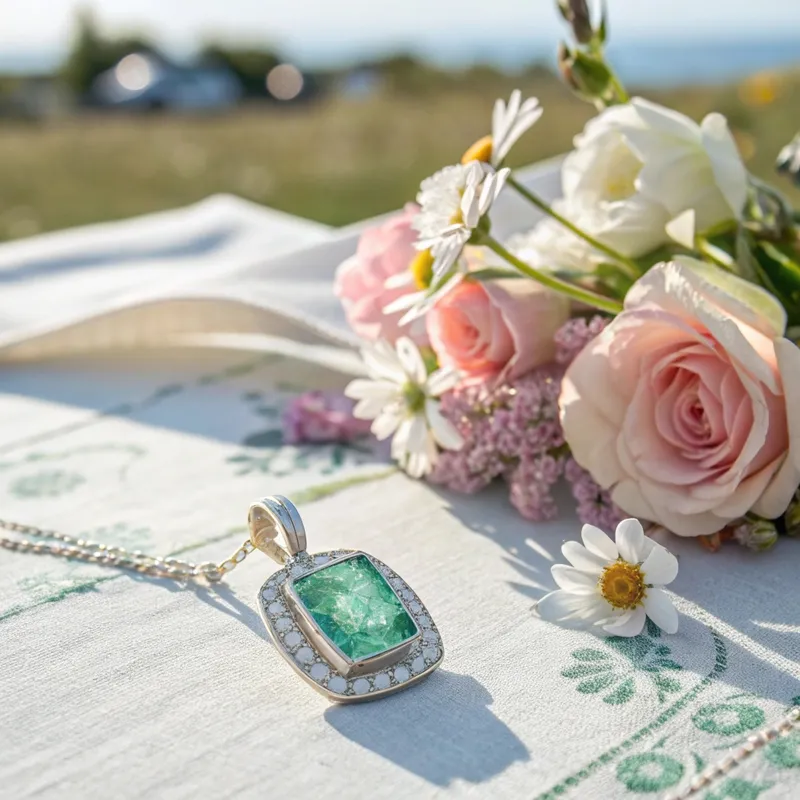
Because beryl—especially its valuable varieties like emerald, morganite, aquamarine, and red beryl—is highly sought after, it is also one of the most commonly imitated gemstones on the market. Imitations can range from inexpensive glass to sophisticated synthetic stones and treated materials. For buyers, collectors, and jewelers, understanding how to distinguish genuine beryl from fake or heavily treated stones is essential.
Below is a detailed guide describing all key methods used by experts to authenticate beryl and avoid falling victim to counterfeits.
1. Examine the Color
Color is one of the primary indicators of authenticity. While beryl comes in many shades, natural color is rarely perfectly uniform.
Signs of natural beryl color:
- subtle color zoning or gradients
- slight variations in tone due to mineral inclusions
- soft, natural-looking hues rather than overly vivid tones
Signs of a fake or treated stone:
- unnaturally bright color
- perfectly even saturation with no gradients
- neon-like color in emeralds or aquamarines
- overly intense pink or blue shades that look artificial
Glass and synthetic stones often display color that is “too perfect,” lacking the complexity of natural mineral growth.
2. Look at Inclusions (Internal Features)
Authentic beryl typically contains natural inclusions, especially emerald, which is known for its “jardin” (garden-like internal patterns).
Natural inclusions may include:
- tiny fractures
- mineral crystals
- gas bubbles in complex patterns
- growth tubes and parallel lines
- fingerprint-like formations
Fake inclusions or signs of imitation:
- perfectly round bubbles (common in glass)
- film-like layers
- completely flawless interior (too clean = likely synthetic)
- swirl patterns typical of melted glass
High-quality natural beryl can be relatively clean but almost never flawless under magnification.
3. Test the Hardness
Beryl has a hardness of 7.5–8 on the Mohs scale. This makes it harder than most imitation materials.
Natural beryl should:
- resist scratching from steel
- not show abrasion easily
- maintain facet sharpness over time
If the stone scratches too easily, it may be:
- glass
- plastic
- lower-grade minerals dyed to imitate beryl
Never perform scratch tests on valuable jewelry—use professional hardness testing instead.
4. Check the Refractive Index (RI)
Beryl has a very specific RI range: 1.57–1.60.
Experts use a refractometer to determine:
- if the RI matches natural beryl
- if results indicate glass or synthetic materials
A mismatched RI indicates the stone is not real beryl.
5. Inspect the Luster and Transparency
Real beryl has a vitreous (glass-like) but crisp luster—clear, bright, and sharp.
Characteristics of natural beryl luster:
- high brilliance
- crisp reflections
- depth in transparency
Fake stones often appear:
- dull
- cloudy
- overly glossy (plastic or coated glass)
- lacking inner depth
Emeralds may appear less transparent than aquamarine or heliodor due to natural inclusions.
6. Fluorescence and UV Testing
Different beryl varieties react differently to UV light.
For example:
- Morganite often fluoresces under UV light
- Emerald may show weak to moderate red fluorescence depending on its origin
- Synthetic stones may fluoresce unnaturally strongly
Unexpected fluorescence patterns can indicate imitation or treatment.
7. Treatments and Enhancements
Many beryl stones are treated, and treatments are not inherently bad—if disclosed.
Common treatments include:
Emerald oils and resins
Enhance clarity but should still reveal natural inclusions.
Overfilled emeralds may appear suspiciously clean.
Aquamarine heat treatment
Common and accepted, used to enhance blue color.
Not harmful but should be disclosed.
Dyed stones
Often used to create fake emeralds or morganites.
Dye tends to concentrate in cracks or around inclusions.
Coated stones
Thin color coatings on quartz or glass can mimic aquamarine or emerald.
How to detect treatments:
- uneven color concentrations
- “rainbow” reflections under magnification (polymer filling)
- surface cracks filled with colored dye
8. Synthetic Beryl vs. Fake Beryl
Synthetic beryl is chemically identical to natural beryl but grown in a laboratory.
Synthetic stones tend to:
- be extremely clean
- have consistent color
- show curved growth lines under magnification
They are not “fake,” but must be priced lower than natural stones.
Imitation stones, however, are not beryl at all and include:
- glass
- cubic zirconia
- quartz
- synthetic spinel
Understanding the difference is important for ethical gemstone purchasing.
9. Weight and Density
Beryl has a specific gravity of 2.63–2.92.
Glass and plastics often feel lighter.
Heavier imitations (like synthetic spinel) may feel denser than real beryl.
Gemologists use hydrostatic weighing for accurate results.
10. Seek Professional Certification
To ensure authenticity, especially for high-value emeralds or red beryl, always request certification from reputable gemological labs:
- GIA (Gemological Institute of America)
- IGI (International Gemological Institute)
- AGL (American Gemological Laboratories)
- GRS (GemResearch Swisslab)
Certificates confirm whether the stone is:
- natural or synthetic
- treated or untreated
- mined or lab-grown
- responsibly sourced
11. Pricing Red Flags
If the price seems too good to be true, it probably is.
Authentic beryl—especially emerald, morganite, and red beryl—has a well-established market value. Extremely low prices often indicate:
- glass imitations
- dyed stones
- low-quality quartz
- bulk-produced synthetics
Always be skeptical of suspiciously low-cost gemstones.
Summary
Identifying authentic beryl involves analyzing its:
- color
- clarity and inclusions
- hardness
- optical properties
- fluorescence
- density
- certification
A combination of these methods provides a reliable assessment.
When in doubt, consult a certified gemologist.
11. Health Benefits of Beryl
While the healing properties of gemstones are not a substitute for medical treatment, beryl has long been associated with a wide range of holistic and energetic health benefits. Across ancient civilizations, spiritual traditions, and modern crystal healing practices, beryl is viewed as a powerful ally for emotional, mental, and physical well-being. Each variety of beryl—emerald, aquamarine, morganite, heliodor, goshenite, and red beryl—contributes its own unique influence, but all share a foundational ability to bring balance, clarity, and renewal to the body and mind.
Below is an in-depth overview of beryl’s commonly attributed health benefits.
1. Emotional Healing and Stress Relief
One of beryl’s most widely recognized benefits is its ability to soothe emotional tension and stabilize the nervous system.
Beryl is believed to help:
- reduce anxiety and emotional overwhelm
- calm panic or emotional turbulence
- release repressed emotions
- bring clarity during stressful situations
- promote inner peace and mental quiet
Aquamarine, in particular, is considered a natural “emotional coolant,” while morganite softens emotional trauma and fosters heart-centered healing.
2. Strengthening the Heart and Circulatory System
Emerald, the green variety of beryl, has historically been associated with heart health. Ancient healers believed emerald strengthened the physical heart just as it nurtured emotional well-being.
Holistic practitioners often claim that emerald may:
- support heart function
- regulate blood pressure
- improve circulation
- calm heart palpitations caused by stress
Though these claims are symbolic, emerald remains one of the most emotionally supportive stones for cardiovascular balance.
3. Supporting the Respiratory System
Aquamarine—named after the waters of the sea—has traditionally been used to support respiratory health and breathwork.
Its alleged benefits include:
- soothing throat irritations
- improving breathing capacity
- reducing inflammation in the respiratory tract
- assisting people with tension-induced breathing patterns
Because of this, aquamarine is often used during meditation, yoga, or breathing exercises.
4. Hormonal Balance and Reproductive Health
Morganite and heliodor are believed to help regulate hormonal cycles and support reproductive health, especially in women.
Practitioners associate beryl with:
- balancing hormones
- easing menstrual discomfort
- supporting fertility rituals
- promoting healthy emotional states during pregnancy
Morganite’s gentle, nurturing vibration is especially connected to the feminine energy system.
5. Detoxification and Immune System Support
Many crystal healers view beryl as a cleansing stone that helps purify the body.
Beryl is believed to:
- support natural detoxification processes
- strengthen the immune system
- increase vitality
- help eliminate energetic blockages that lead to fatigue
Yellow heliodor is particularly associated with vitality and energy flow.
6. Enhancing Mental Clarity and Cognitive Function
Beryl’s metaphysical association with clarity extends to mental health.
It may help:
- improve concentration
- support memory retention
- sharpen decision-making
- reduce mental fatigue
- bring order to scattered thoughts
Students, researchers, and professionals often choose aquamarine or goshenite to enhance focus during mentally demanding tasks.
7. Balancing the Endocrine System
Holistic traditions sometimes attribute beryl with the ability to balance the endocrine glands responsible for hormone production and emotional regulation.
This includes potential support for:
- thyroid balance
- adrenal fatigue
- emotional stabilization linked to hormones
Aquamarine is especially connected to the throat chakra, which symbolically governs the thyroid region.
8. Eye Health and Vision Support
Historically, beryl was used to improve eyesight. Ancient Romans carved magnifying lenses out of goshenite, believing the stone had the power to strengthen vision.
Today, beryl is symbolically linked to:
- eye relaxation
- reducing strain from digital screens
- clarity of perception (both physical and intuitive)
This symbolic connection continues to make beryl a popular stone among those seeking relief from eye stress.
9. Increasing Physical Vitality and Energy Flow
Red beryl and heliodor are associated with energizing and revitalizing the body.
They are believed to:
- stimulate life-force energy (chi / prana)
- combat physical exhaustion
- improve motivation and endurance
- strengthen willpower and resilience
These varieties are often recommended for people experiencing burnout or chronic fatigue.
10. Chakra Healing and Energy Alignment
Beryl’s diverse color spectrum makes it suitable for multiple chakras:
- Heart Chakra: emerald, morganite
- Throat Chakra: aquamarine
- Solar Plexus Chakra: heliodor
- Crown Chakra: goshenite
- Root and Sacral Chakras: red beryl
Working with these chakras, beryl supports the body’s energetic balance, which is believed to positively influence holistic health.
Important Note
While many people experience emotional and spiritual comfort from working with beryl, these benefits are complementary and not a replacement for professional medical care. Beryl enhances well-being on an energetic level, supporting emotional and mental harmony that can indirectly influence physical health.
12. Conclusion
Beryl is one of the most extraordinary gemstones in the mineral world — a family of crystals that unites beauty, strength, and profound metaphysical depth. Its rich color spectrum, ranging from the vivid green of emerald to the serene blue of aquamarine and the gentle pink of morganite, reflects the full emotional and spiritual versatility of this mineral. Because of this diversity, beryl can resonate with nearly every individual, offering support, clarity, and balance regardless of one’s personality, path, or life circumstances.
From a scientific perspective, beryl is a gemstone of impressive durability, unique crystal structure, and remarkable optical properties. Its geological origins are equally fascinating, forming in precise environments that require harmony between nature’s elements. These physical characteristics contribute to the stone’s long-standing reputation as a symbol of clarity, harmony, and transformation.
On an emotional and spiritual level, beryl is valued across cultures for its ability to enhance intuition, strengthen the heart, support healing, and offer protection. Its magical properties make it a powerful talisman for people seeking self-discovery, emotional resilience, inner peace, and personal evolution. Whether used for meditation, emotional healing, manifestation work, or personal empowerment, beryl brings light, clarity, and balance to its wearer.
Astrologically, beryl adapts beautifully to all zodiac signs, with different varieties aligning with different energies — emerald for emotional harmony, aquamarine for clarity and communication, heliodor for confidence, morganite for love, and red beryl for motivation and passion. Likewise, the stone’s compatibility with various names and crystals underscores its universal nature.
In everyday life, beryl’s applications extend far beyond metaphysics. It is cherished in fine jewelry, sought after by collectors, utilized in spiritual practices, and historically even used in optical science. Its enduring relevance across centuries speaks to the stone’s unique combination of practicality and symbolism.
Identifying genuine beryl is an important step for anyone working with this gemstone, as the market is full of imitations and treated stones. Understanding its physical characteristics, inclusions, optical properties, and certification standards helps ensure that the beauty and energy of the stone are authentic and preserved.
Ultimately, beryl is a gemstone of harmony, renewal, clarity, and transformation. It is a stone for those who seek emotional healing, intuitive development, spiritual growth, and inner strength. It inspires love, encourages truth, and empowers the soul to move forward with confidence and wisdom.Beryl is not just a mineral.
It is a guide, a protector, a healer, and a companion on the journey toward self-understanding and emotional balance.